
Why Odds Move: Line Movement Explained Simply
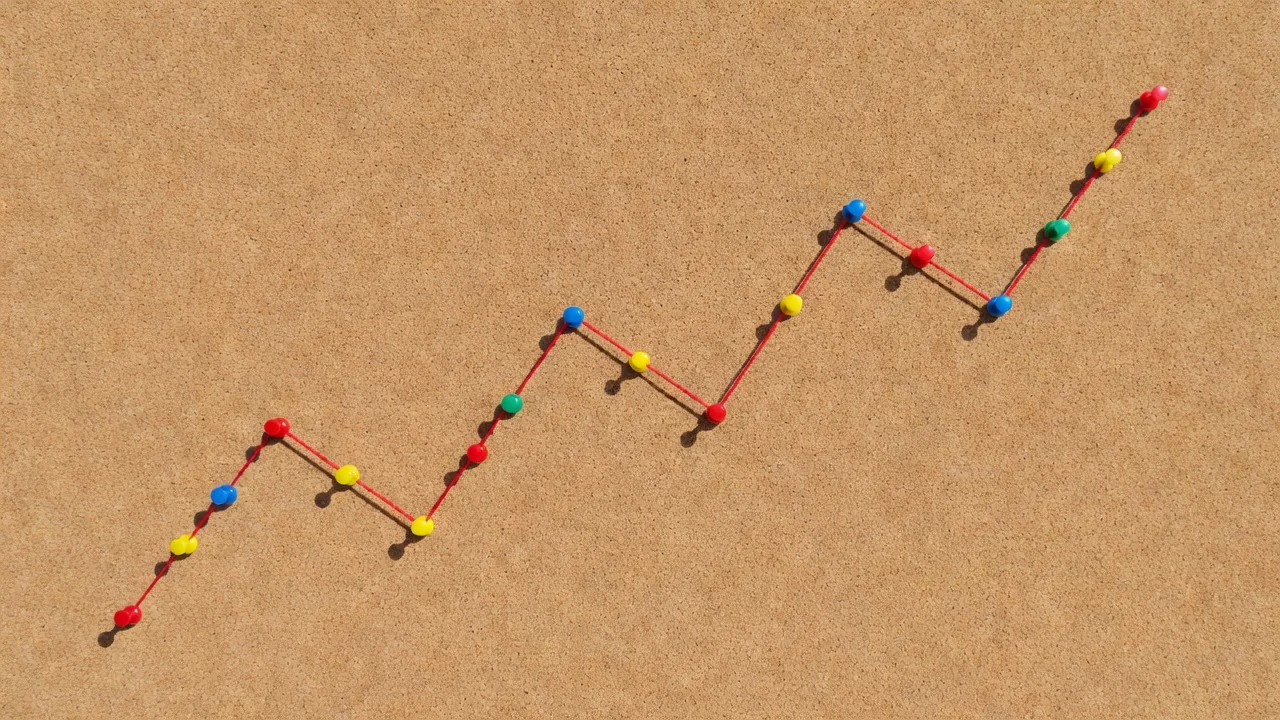
A price of 2.40 appears on Monday for Sunday's match. By Saturday night it is 2.05. Nothing about the two teams' names changed, yet the market is telling you a story — and learning to read that story is one of the few genuinely transferable skills in football betting. Line movement is the market thinking out loud. Here is who does the thinking, what actually moves prices, and why the closing line has become the unofficial lie detector of the whole industry.
Who moves the price
Prices are moved by money, but not all money is equal. Bookmakers weight their response to the source. A flood of casual stakes on a famous club might barely twitch the line, because the book expects that flow and prices for it in advance. A much smaller amount from accounts flagged as sharp — professional syndicates, consistently winning players — can shift a price across the market within minutes, because sharp money carries information the book wants to absorb rather than bet against.
The ecosystem has layers. A handful of bookmakers with in-house trading teams and thin margins act as price-setters: they take the early sharp action and adjust. Most other operators then copy those moves, sometimes automatically. So when you see a line move "everywhere at once," you are usually watching one decision echo through a dozen shopfronts.

What actually moves lines
Strip away the noise and four forces do nearly all the work.
- Team news. A rested striker or a returned goalkeeper moves prices within minutes of the teamsheet — sometimes hours earlier, when the information leaks through journalists and insiders.
- Sharp volume. Professional money taking a position the market has not yet priced, especially in the hours after opening lines appear.
- Public imbalance. Heavy recreational flow on televised favourites forces adjustments, though books often "shade" the popular side in advance instead of moving later.
- New information about conditions. Forecast storms, pitch reports, referee appointments — small but real inputs that traders fold into the price.
Reading a move: a timeline in practice
| Stage | Price (home win) | What is happening |
|---|---|---|
| Monday opening | 2.40 | Early line, low limits, sharpest players invited |
| Tuesday | 2.30 | Respected money nibbles; book trims cautiously |
| Friday pressers | 2.20 | Manager hints at full-strength XI; move accelerates |
| Saturday teamsheet | 2.10 | Confirmed line-up matches the rumours |
| Kick-off close | 2.05 | Final, most-informed price of the week |
Each step in that table is information arriving and being absorbed. By kick-off, the closing price has processed more knowledge than any individual bettor holds — every insider, every model, every sharp stake. That is why the close matters so much.
Beating the closing line: the honest scoreboard
Professional bettors judge themselves less by short-term profit than by closing line value — how often the price they took beats the price at kick-off. Take 2.40 on Monday and watch it close at 2.05, and you hold a ticket worth more than the market's final word, whatever Sunday brings. Do that consistently and long-run profit follows with near-mechanical reliability; consistently take worse than the close and no amount of winners will save you, because you are systematically paying more than the truth costs.
This is also how to audit any tipster, including us: do not ask "did the picks win this month" — variance mocks monthly samples. Ask whether the published prices, taken at publication time, beat the closing prices. A record of beating the close is the hardest thing to fake in this business, and the closest thing to proof of genuine edge that exists without seeing someone's bank statements. Watch the movement, respect the close, and you will never look at a static odds board the same way again — it is not a menu. It is a seismograph.
Two movement patterns deserve names because punters misread them constantly. A steam move is a sudden, synchronised shift across many bookmakers at once — the signature of sharp syndicate money hitting the market simultaneously, and almost never worth chasing, because by the time you see it the value has already been consumed. Reverse line movement is subtler: the price moves against the majority of tickets, meaning the book respected the smaller amount of sharper money more than the larger amount of public money. Neither pattern is a betting system by itself. Both are context for the question that actually matters: did you take your price before or after the information arrived?
Keep reading

How to Read Football Betting Odds (Decimal Guide)
A price of 2.50 is not a prediction — it is an invitation with a fee attached. Decimal odds from zero: payout math, what the number hides, and how to compare books.
2026-08-28
Implied Probability: Turning Odds into Percentages
Every price is a percentage in disguise. The one-line conversion, why the three outcomes never sum to 100, and how to use it before you place anything.
2026-08-24
Bookmaker Margin: The Hidden Cost in Every Odd
The bookmaker does not need to pick winners — the margin does the work. How the overround is built, what it costs you per bet, and why low-margin books matter.
2026-08-20