
Home Advantage: How Much It Really Moves a Prediction
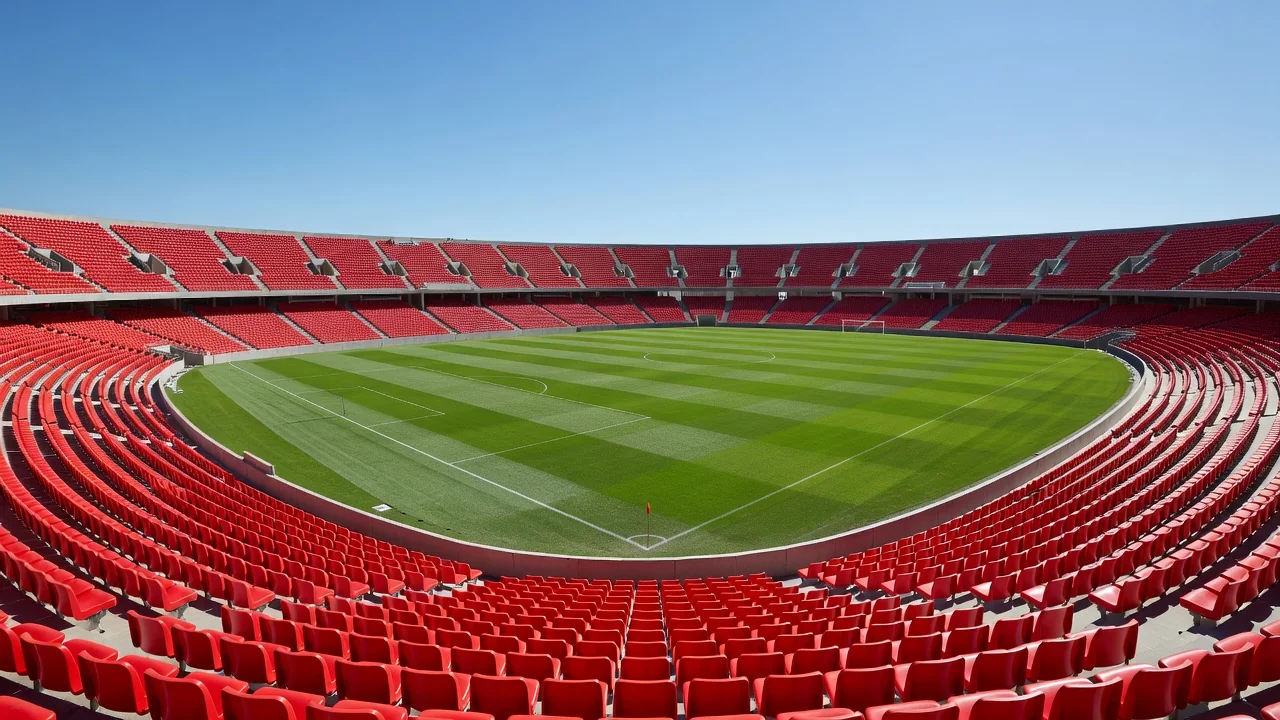
Ask a casual fan why home teams win more often and you will get one word: crowd. Ask the data and the answer gets more interesting — the crowd is only part of it, the effect has been shrinking for decades, and its size varies so much by league and by team that treating "home advantage" as a fixed bonus is one of the laziest errors in match prediction. Here is what the edge really is, where it comes from, and when to ignore it.
Where home edge actually comes from
Researchers have pulled home advantage apart for years, and the same few components keep surfacing. Travel fatigue is real but modest for professional squads with charter flights. Pitch familiarity matters more than most fans think — dimensions, surface, even the slope of a particular ground. Refereeing bias, documented in academic work on crowd influence, nudges marginal decisions toward the hosts when the stadium is loud. And the crowd itself lifts home intensity, particularly in duels and pressing.
The interesting modern finding is what happened when the crowd vanished. During the behind-closed-doors period of 2020, home advantage across Europe's top leagues measurably narrowed — not to zero, but enough to confirm that spectators carry a real share of the effect. When fans returned, the edge came back with them. That natural experiment did more for our understanding of home advantage than fifty years of opinion columns.

How big is the edge, honestly
Across the long history of England's top flight, home wins have accounted for roughly 45 to 47 per cent of matches, draws around a quarter, and away wins the rest — and the home share has drifted downward across the modern era. The same broad shape appears in most major European leagues, though the exact numbers wobble by competition and by season. In practical prediction terms, home advantage is worth somewhere in the region of a third to a half of a goal per match on average — meaningful, but far smaller than the "fortress" language of preview shows implies.
| Component | Rough contribution | Prediction note |
|---|---|---|
| Crowd influence | Significant, proven by the empty-stadium dip | Bigger in loud, tight grounds |
| Pitch familiarity | Modest but real | Matters for unusual surfaces and dimensions |
| Travel and rest | Small for pros, larger on long hauls | Check midweek European away trips |
| Marginal decisions | Small, crowd-linked | Shows up in penalties and cards over time |
When to discount home advantage
The average hides the cases that matter. Run these checks before you pay full price for the hosts.
- Derbies and rivalries. Away players in derbies are often more motivated, not less; the crowd lifts both sides emotionally. Derby home edges historically run below league average.
- Half-empty stadiums. A club with nothing to play for in front of 40 per cent of capacity does not own a fortress. Attendance and atmosphere feed directly into the crowd component.
- Counter-attacking visitors. Teams built to defend deep and break are structurally comfortable away from home, where hosts must open up. Some sides genuinely perform better on the road for stretches.
- New or shared grounds. A team that has just moved stadium has not yet built the familiarity edge — and clubs sharing a venue never fully do.
- Long-haul fixtures. Continental away trips, altitude, extreme heat or cold can flip the travel component so hard it outweighs the crowd. La Paz sits above 3,600 metres and visiting sides have suffered there for decades for a reason.
Putting a number on it in practice
The working method is simple. Start from a neutral-venue estimate of the two teams' strength, then apply a home adjustment — and then interrogate that adjustment against the checklist above. Is the stadium full and loud? Is the visitor built to counter? Did the hosts play Thursday night in another country? Most weekends the standard adjustment survives the check and you move on. The value appears in the minority of matches where it does not: the sleepy Sunday fixture after a European away trip, the derby priced like a routine home game, the promoted side whose tight, bouncing ground the market has not yet learned. Home advantage is real. The mistake is not believing in it — it is paying the same price for it in every fixture on the coupon.
Keep reading

How We Log and Settle Every Prediction We Publish
Any site can claim a strike rate. Fewer show the working. Our logging rules: timestamped reasoning, one settled grade per pick, and a record that stays up in bad months too.
2026-08-31
How to Build a Football Match Prediction Step by Step
A prediction is not a hunch with a scoreline attached. The full working order we use at FikrBank: form, context, price check and a written reason before kick-off.
2026-08-30
Reading Team Form the Right Way Before Kick-Off
Five results tell you what happened; they rarely tell you why. How to separate performance from outcome before the last-five column poisons your judgement.
2026-08-27